
国光帮帮忙
6층 아파트 계단 오르내린 어르신들…승강기 놔드렸어요_我的网站

A | 김해 구산1주공 34년 만에 설치- 노약자·장애인 입주민 함박웃음- 국비·LH 50%씩 지원 숙원 해결 김해 구산1주공아파트 주민이 승강기를 이용하며 환하게 웃고 있다. 주택관리공단 김해구산1단지 제공경남 김해시 구산1주공아파트 주민의 34년 묵은 숙원이었던 승강기 설치가 완료됐다. 노약자와 장애인 등 교통약자가 입주민의 절반이 넘는 김해 유일한 영구임대주택 단지에 승강기 12대가 새로 들어서면서, 주민은 더 이상 계단만으로 오르내리지 않아도 되게 됐다.26일 민홍철 국회의원실에 따르면 구산1주공아파트 승강기 설치사업은 지난 7월 28일 공사를 마쳤다. 준공식은 오는 31일 단지 주민복지관에서 열린다. 구산1주공아파트는 1992년 11월 준공된 11개 동·552세대 규모의 김해시 유일 영구임대주택 단지다. 6층 건물로 이뤄졌지만 준공 당시 승강기가 설치되지 않아 34년간 계단이 유일한 층간 이동 수단이었다. 이 단지 입주민 약 700명 가운데 노약자와 장애인 등 교통약자는 51.2%에 이른다. 고령 입주민과 거동이 불편한 주민에게 병원 방문, 장보기, 외출이 큰 부담이었다.이번 사업에는 국비와 한국토지주택공사(LH) 재원이 각각 50%씩, 총 72억 원이 투입됐다. 각 동 출입구에 장애인용 승강기 11대를 설치하고, 버스정류장과 단지를 연결하는 옥외 승강기 1대를 추가해 모두 12대를 갖췄다.승강기 설치와 함께 승강로와 동별 연결복도를 새로 만들고 소방설비도 보강했다. 대중교통 정류장에서 단지 내부, 각 동과 세대까지 이어지는 이동 동선도 개선했다.승강기 설치 이후의 운영 부담에 대한 제도적 장치도 마련됐다. 김해시의회는 2024년 6월 ‘김해시 영구임대아파트 내 공동전기료 등 지원 조례’를 마련해 승강기 운행에 드는 전기료와 유지관리비용을 지원할 근거를 마련했다. 장기적인 재정 부담과 다른 저소득층 거주자와의 형평성 문제 등으로 한 차례 심사 보류되기도 했으나 김해 유일 영구임대주택에 지원이 필요하다는 데 뜻을 모았다.민 의원은 “구산1주공 어르신들이 힘겹게 계단을 오르내리시던 모습을 보며 가슴이 아팠다”며 “준공식을 열게 돼 감회가 남다르다”고 밝혔다. 이어 “이번 승강기는 단순한 편의시설이 아니라 어르신과 장애인 입주민이 병원에 가고 이웃을 만나며 평범한 일상을 누릴 수 있게 하는 통로”라며 “노후 임대주택의 주거약자 이동권 보장과 정주 여건 개선을 위한 제도·예산 확보에 힘쓰겠다”고 말했다.。

B |
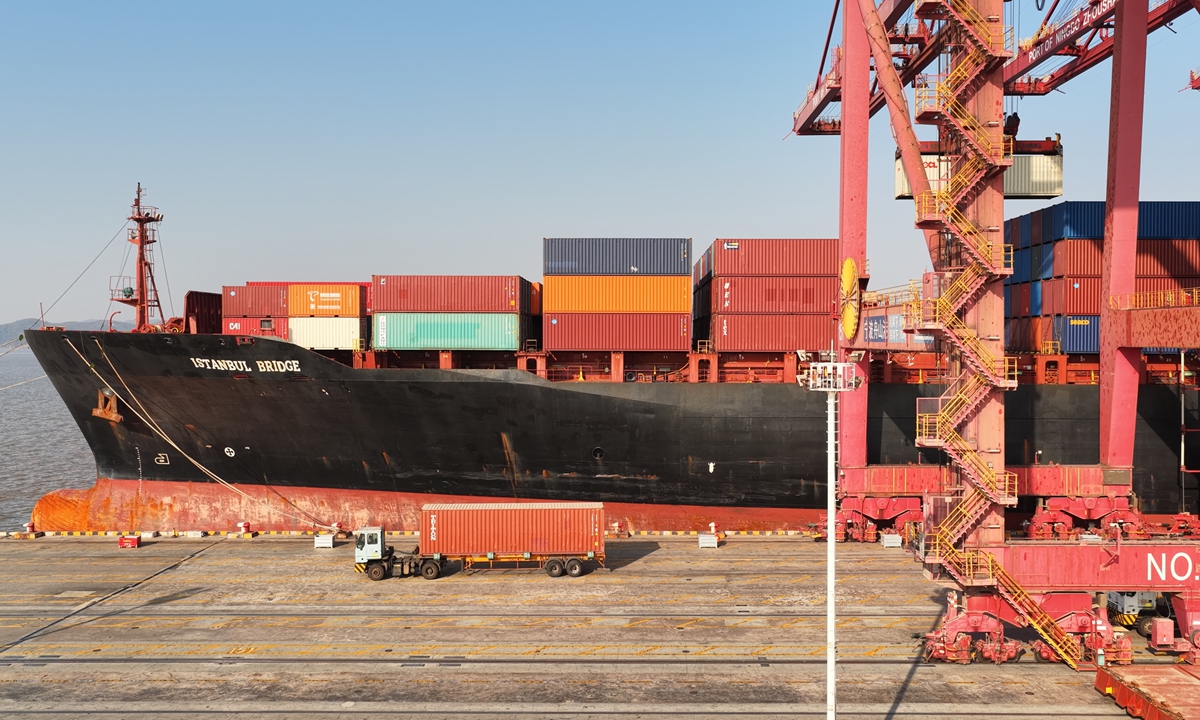
A Chinese shipping company is set to launch a regular container service to Europe via Russia's Northern Sea Route, probably this week, with eight weekly sailings planned during this year's Arctic navigation season - part of a broader push by Chinese carriers to move Arctic shipping from sporadic voyages toward larger-scale and more regular commercial operations.
The service is expected to add a faster supplementary corridor for Eurasian trade, shortening voyages between Chinese ports and key Baltic gateways by nearly one-third, as businesses seek more diversified and resilient supply chains amid rising risks along traditional maritime routes, industry analysts said.
Sea Legend Shipping is launching its 2026 China-Europe Arctic Express, or CAX, service this month. According to the company's published schedule, the service will run eight fixed weekly sailings from August 15 through October 3, using seven vessels and targeting transit times of around 20 to 22 days, according to media reports.
Unlike previous Arctic container voyages that were largely arranged as individual sailings, the new service has fixed departure dates, dedicated vessel deployment and a planned transit time, effectively putting the commercial repeatability of Arctic container shipping to the test, analysts said.
From a single-voyage test in 2025 to regular weekly sailings during the 2026 Arctic navigation window, CAX is entering a much broader test of commercial operations. Chinese experts said the start of regular services carries multiple implications, from diversifying shipping routes and reducing exposure to geopolitical risks, to supporting regional trade cooperation and economic development.
The new service will consolidate cargo from multiple Chinese ports before calling at Ningbo-Zhoushan Port and sailing for Felixstowe in the UK, with connections to other European ports including Rotterdam, Netherlands, Wilhelmshaven in Germany, and Poland's Gdynia, according to an article published by Chinese maritime industry portal CNSS.
According to media report, Sea Legend has deployed seven container vessels ranging from 1,384 to 4,890 twenty-foot equivalent units, or TEUs. The first sailing is to be operated by the Dubai Tower, which had originally been scheduled to leave Ningbo on August 15 and due to arrive at Felixstowe on September 7, according to the company's published CAX schedule.
Russia's state atomic energy corporation Rosatom has issued permits for seven Sea Legend vessels to transit the Northern Sea Route, RT reported on August 8, citing Rosatom CEO Aleksey Likhachev.
More than a shortcut
Traditional shipping routes still hold advantages in capacity, infrastructure and established networks, but rising geopolitical tensions have pushed up fuel and operating costs on some corridors, while tighter control over key ports has added to concerns over global shipping security, said Hu Qimu, a professor at the Maritime Silk Road Institute of Huaqiao University.
"Against this backdrop, developing alternative corridors and building a more diversified shipping network have become an increasingly necessary choice," Hu told the Global Times on Tuesday.
Growing trade between East Asia and Europe is providing another source of momentum. As a rising share of China's exports consists of higher-value advanced manufactured products, new Eurasian transport corridors have a stronger cargo base on which to develop, Jian Junbo, director of the Center for China-Europe Relations at Fudan University's Institute of International Studies, told the Global Times.
The Arctic's naturally low temperatures can also be suitable for the transport of certain high-value goods, including photovoltaic products, energy-storage equipment and precision electromechanical products, helping reduce some temperature-related transport risks.
According to the CNSS report, Sea Legend has said the route targets cargo including lithium batteries, photovoltaic products, new-energy vehicle components and cross-border e-commerce goods - time-sensitive, higher-value products for which delivery times and inventory turnover can carry considerably greater economic weight than for low-value, time-insensitive bulk cargo.
The appeal of the Arctic route also lies in its shorter transit time, Jian said. A shorter voyage can reduce overall logistics costs, improve cargo turnover, shorten delivery cycles and allow companies to organize production and supply chains more efficiently.
Industry calculations cited by CNSS estimate that the route can shorten the sailing distance on some Northeast Asia-Northern Europe services by about 30 percent to 40 percent compared with conventional maritime routes via the Suez Canal or the Cape of Good Hope.
Sea Legend tested the viability of faster Arctic shipping with a single voyage last year. Its vessel the Istanbul Bridge departed Ningbo-Zhoushan Port in September 2025 and reached Felixstowe in about 20 days, despite reducing speed due to severe weather in the Norwegian Sea. The vessel carried mainly new-energy vehicles, lithium batteries and photovoltaic products, the Xinhua News Agency reported.
The expansion goes beyond Sea Legend. China's first batch of Arctic sailings for 2026 involves six carriers, including NewNew Shipping, Ningbo Hongkun Shipping, Dalian Trawind Shipping, Tianjin Yueqian Shipping and Shanghai Dahua Shipping, deploying container ships, dry-bulk carriers and multipurpose vessels during the summer navigation window, according to the China Shipowners' Association.
Despite the progress, the larger-scale development of Arctic shipping still faces constraints, including a seasonal navigation window, relatively limited container capacity and less-developed support infrastructure. But experts said its broader value lies not in matching the scale of traditional routes, but in adding another option to an increasingly complex global logistics network.
Tech Times highlighted that the key difference in 2026 is Sea Legend's plan for eight consecutive weekly departures, which could help build the operational experience and booking confidence that a single voyage cannot provide.
。
Current article:http://9nq5e9g.xuanliaruamibinmilangca.shop/hmc/20260826/6163529.html
Published on:05:39:23
评论
-
关于我们 | 我的网站 版权所有
Copyright ? 2019 我的网站 All Rights Reserved